Latest updates

Important news from B-LAB

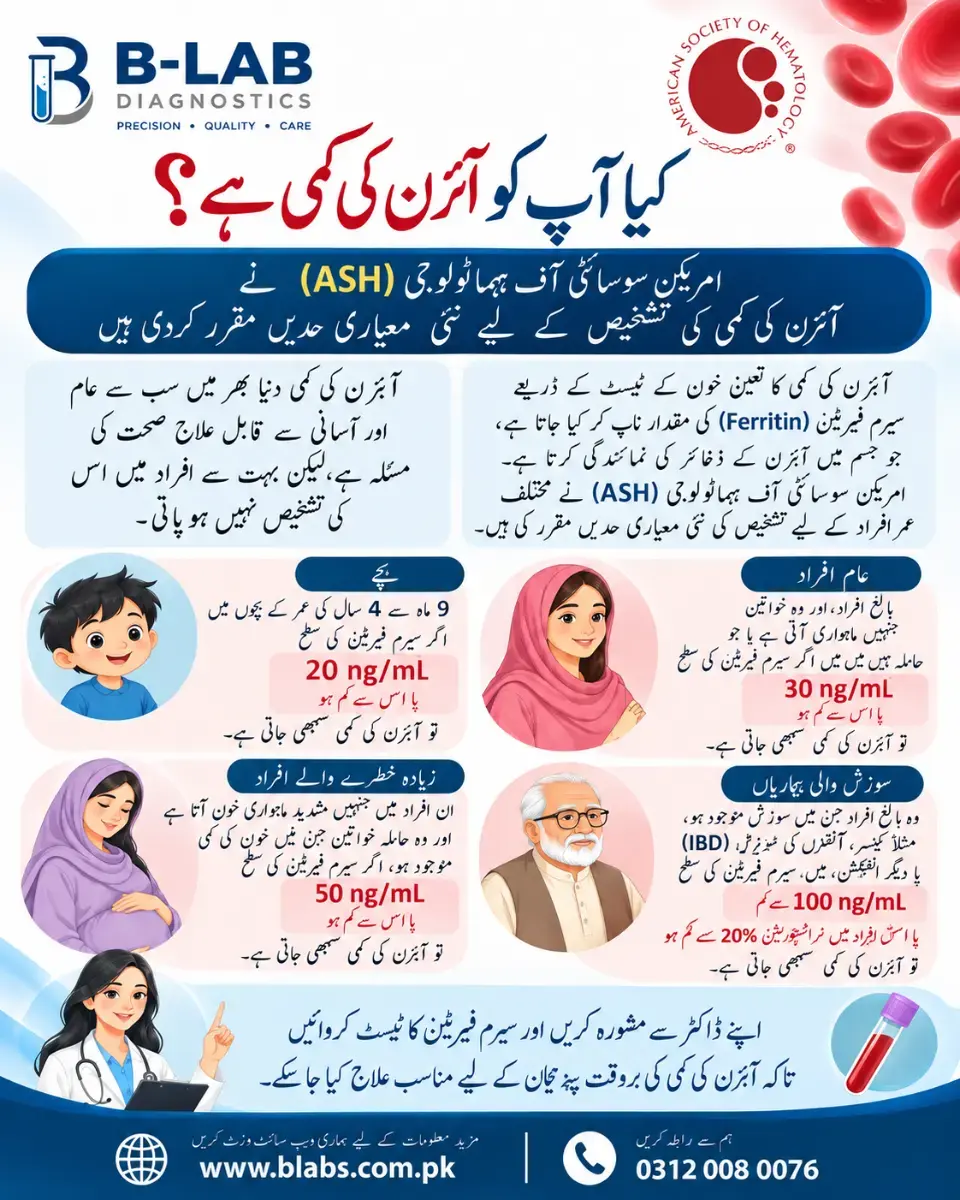
ASH iron deficiency guideline thresholds for adults, children, pregnancy and chronic inflammation
B-LAB update

The American Society of Hematology (ASH) Has Updated Iron Deficiency Guidelines

The American Society of Hematology (ASH) has updated its clinical guidelines, raising the serum ferritin thresholds used to diagnose iron deficiency—even in patients without anemia. The updated diagnostic standards include: • Adults, menstruating, and pregnant individuals: 30 ng/mL or lower • Young children (9 months to 4 years): 20 ng/mL or lower • High-risk groups (e.g., heavy menstrual bleeding, pregnant with anemia): 50 ng/mL or lower • Adults with chronic inflammation (e.g., cancer, IBD): Ferritin under 100 ng/mL (or transferrin saturation under 20%) These new thresholds aim to ensure earlier detection, better symptom management, and timely treatment for patients experiencing iron deficiency worldwide.
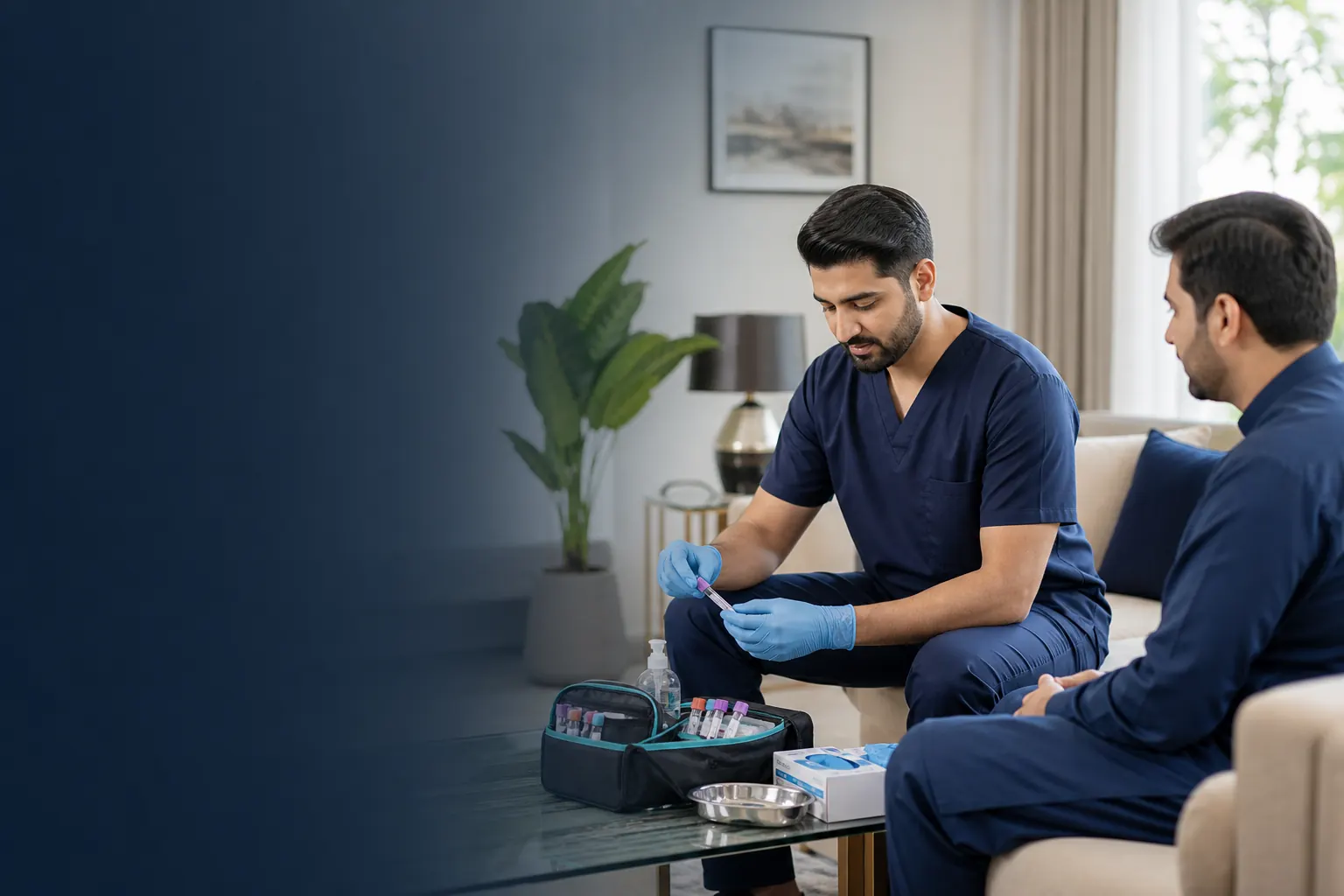
Trained B-LAB phlebotomist preparing a safe sample collection kit during a home visit

Convenient care at home

Free home sample collection.

Book a convenient home visit in Winder for safe sample collection by trained B-LAB staff, with no collection fee.

Test discovery

Loading popular tests

Core Services

Medical laboratory services in Winder, Lasbela.

B-LAB Diagnostics, also known as BLAB, serves Winder and surrounding Lasbela communities with routine testing, clear patient guidance and protected report access.

Clinical Chemistry

Routine biochemical testing used by clinicians to assess blood glucose, kidney function, liver function, lipids, and other health indicators.

Blood glucoseKidney profilesLiver profiles

Hematology

Blood testing that supports the assessment of red cells, white cells, platelets, anemia, infection, and general health.

Complete blood countESRBlood film when requested

Routine Microscopy

Routine urine and stool examination to support clinical assessment. Test availability and specimen instructions should be confirmed with the laboratory.

Urine examinationStool examinationSpecimen guidance

Patient Report Services

Secure online access to laboratory reports after review and release, with assistance available for report access questions.

Report statusSecure PDF downloadReport verification

Diabetes Testing

Blood glucose and HbA1c investigations to support diabetes screening and ongoing clinical monitoring.

Fasting blood sugarRandom blood glucoseHemoglobin A1c

Kidney Function Testing

Blood investigations used by clinicians to assess renal health and monitor kidney-related conditions.

CreatinineBlood urea nitrogenKidney profiles

Liver Function Testing

Liver-related blood tests and profiles for clinical assessment and follow-up.

Liver function testALT (SGPT)AST (SGOT)

Lipid Testing

Lipid investigations to support cardiovascular risk assessment requested by a healthcare professional.

Lipid profileHDL cholesterolSpecimen preparation guidance

Patient Journey

From specimen collection to a released laboratory report.

Every sample is registered under a unique accession. After testing and review, the released report can be securely downloaded using the Report ID and Access PIN printed on the billing receipt.

01

Sample Intake

Your request and specimen are registered under a unique laboratory accession for identification and tracking.

02

Laboratory Testing

The specimen is processed for the requested tests and the results are reviewed before release.

03

Report Release

When the report is ready, use the Report ID and Access PIN on your receipt to securely download the original PDF.

Patient Information

What to know before and after your laboratory visit.

Before collection

Ask the laboratory whether fasting, timing, medication details, or a particular specimen container is required for your tests.

Bring your request

Provide the clinician request or clearly identify the tests required so they can be registered correctly.

Keep your receipt

Your receipt contains the private Report ID and Access PIN needed for secure online report access.

Discuss your results

Laboratory reports should be interpreted with your doctor or qualified healthcare professional in the context of your health.